
New forms of private-public partnerships are needed, particularly for developing nations, to deal with risks and costs related to climate change, Swiss Reinsurance Co.’s chairman said in a presentation Monday.
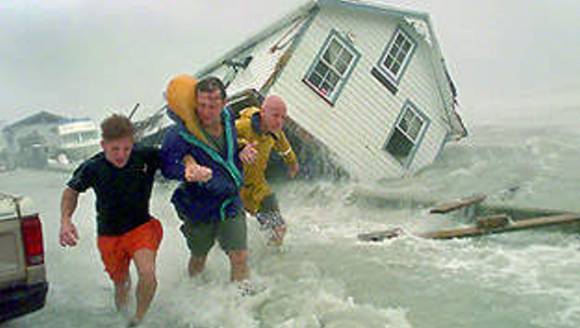
Speaking at the International Disaster and Risk Conference in Davos, Switzerland, Peter Forstmoser said the impact of hazardous events continues to rise, driven by interacting forces, including global warming, population growth, density of assets and aging infrastructure.
Developing countries likely will bear the highest share of the costs needed to adapt to climate change, he said. By 2030, it is estimated that these costs will amount to 49 billion Swiss francs to 171 billion Swiss francs ($44.7 billion to $156.1 billion) per year, of which 28 billion Swiss francs to 67 billion Swiss francs ($25.6 billion to $61.2 billion) will be borne by developing countries, according to Swiss Re.
An example of public-private risk transfer is the Caribbean Catastrophe Risk Insurance Facility, in which Swiss Re plays a lead role. Created in 2007, the facility limits the financial impact of hurricanes and earthquakes on 16 Caribbean governments by providing short-term liquidity when triggered by an event.