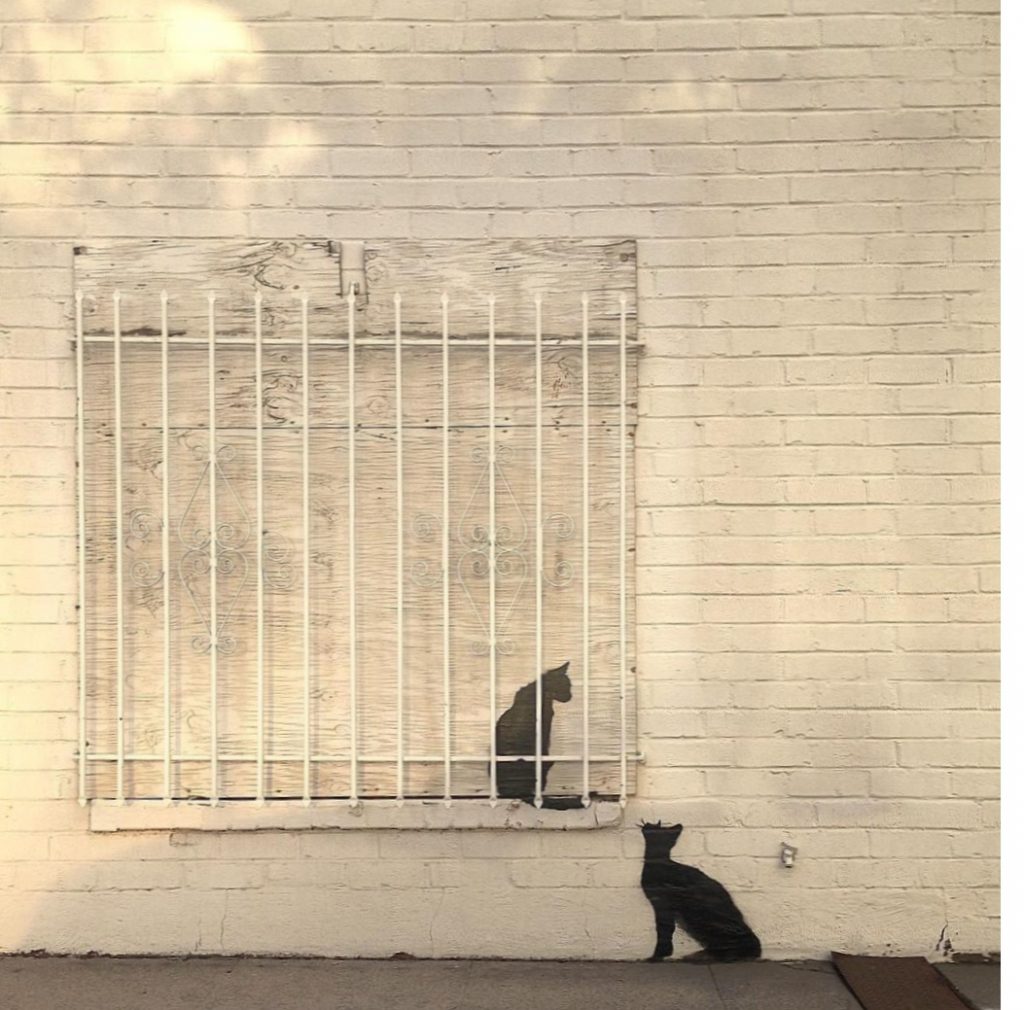
 Burglar bars, also known as security or window bars, can be found on any type of structure – single-family home, apartment building, storefronts. The bars provide a visible sign of security serving as both a deterrent to potential burglars and a reassurance to those who had the bars installed. However, burglar bars can also be dangerous, preventing residents and other occupants from escaping in the event of a fire and leading to fatalities.
Based on data obtained from the National Fire Incident Reporting System (NFIRS), on average, about 25 civilians are injured or die each year in fires where escape is compromised by unauthorized bars or gates. The actual numbers may be larger than that, due to the fact that the presence of burglar bars is not always collected in a way that is recorded by NFIRS (e.g., written in the text but not coded). The most recent version of NFIRS, version 5.0, allows for the collection of data concerning burglar bars; however, data from the new version is not yet available.
Most fatalities/injuries involving burglar bars occur in residences when people become entrapped by the very bars that are supposed to protect them. Children, the elderly, the mobility impaired, and firefighters are especially vulnerable. The bars also can hamper rescue efforts, especially the efforts of those who arrive before public safety personnel.
Due to the fire egress risk posed by burglar bars, most building codes regulate their installation/use. Several states have passed legislation specific to burglar or security bars. Generally, the codes and legislation require that burglar bars have some form of quick-release mechanism, enabling rapid escape in case of fire. Furthermore, the National Fire Protection Association (NFPA) Life Safety Code 101 addresses the risk posed by unauthorized bars, stating that a window or other means of escape should be operable from the inside “without the use of tools, keys, or special effort.”
The cost of retrofitting or replacing existing burglar bars, along with a lack of awareness, has hindered the compliance to these regulations. The fear of burglary, theft, and/or physical attack presents a greater perceived risk with people than the threat of fire, especially among those who have been previously victimized.
Several fire departments have experienced success in reducing the presence of unsafe bars by actively working with the public to provide information about the devices. The public can be educated actively (door-to-door information), passively (websites, posters, etc.), and at points-of-sale. While pre-planning in neighborhoods, firefighters should note structures that have burglar bars on their windows/doors, and make a note of them for use in a response. They may also consider proactively providing safe practices information to the location noted.
While burglar bars may slow rescue they are not impenetrable. Fire departments have found success with a variety of strategies to gain entry or prepare a route of egress, through burglar bars.
Burglar bars are designed to prevent entry, even by forcible means. This limits the tools that can be used to effect quick entry into a structure. Traditional forcible entry tools (flathead axe, Halligan bar) might be used, but they require a significant amount of time and effort to be successful.
The Fourth Edition of Essentials of Firefighting, published by the International Fire Service Training Association (IFSTA), addresses the challenge posed by burglar bars. Chapter 8, ‘Forcible Entry,’ states “Forcible Entry through burglar bars is a difficult and time-consuming task.” The book then suggests three methods for the removal of burglar bars:
• Using a flat-head axe and a Halligan-type bar to shear off the bolt heads of the bar assembly (if the bolt heads are visible)
• Using a circular saw to cut either the bar assembly or its attachments
• Using an oxyacetylene torch to cut the bar assembly
Shearing off the bolt heads securing the bars to a structure can be accomplished using forcible entry tools. By using the blade of the axe as a wedge, and the Halligan bar as the hammer to force the wedge between the bolt head and the wall, the bolts holding the bars to the wall can be removed. While effective, this method can be time-consuming. The difficulty lies in how the bars are mounted to the exterior wall of the structure in question.
Another effective method for the removal of the bars is to utilize a circular cut-off saw, outfitted with a carbide-tip or metal-cutting blade rated for fire/rescue work. Firefighters can use the saw to cut through the bars. This process also takes time.
The use of an oxyacetylene torch is faster than the methods presented above, but most first-line firefighting apparatus do not carry the necessary equipment. If a fire department does carry a torch on its apparatus, firefighters need to be familiar with its use in cutting through burglar bars for that approach to be effective.
In extreme circumstances, such as a firefighter entrapment, burglar bars can be removed from a structure using a piece of apparatus (truck) and a chain or cable. However, there are several related safety hazards associated with this tactic – it should only be employed when there is an immediate life safety risk, and not enough time to remove the bars through alternate means. This method poses a danger to the fire department personnel operating on the scene, as the bars are removed in an uncontrolled manner. Safety officers and other personnel operating near the bars should be cognizant of the hazards associated with the force used to remove the bars and the likely recoil; there is a risk of partial structural collapse due to the stress exerted on the building. In addition, this method possesses the likelihood of damaging the structure and/or the apparatus used. Furthermore, there often is not enough room for the apparatus to operate in, or the bars are located on an upper story of a building. Special care needs to be taken to ensure that appropriate safety precautions are followed when this potentially hazardous method is used.