
🚨 If you’re a homeowner or landlord planning to apply for home insurance or a landlord/lessor’s risk policy, take a moment to inspect your electrical panel first. This simple step can save you from unexpected delays or even a policy denial.
⚠️ Why This Matters
Older electrical panels are considered high‑risk by insurers due to potential issues like overheating, circuit breaker failures, and fire hazards. In many cases, having one of these outdated models can lead to:
- A refusal to issue a policy;
- A requirement to replace the equipment before coverage starts.
🔍 Panels to Watch Out For
Here are the most problematic models insurers flag:
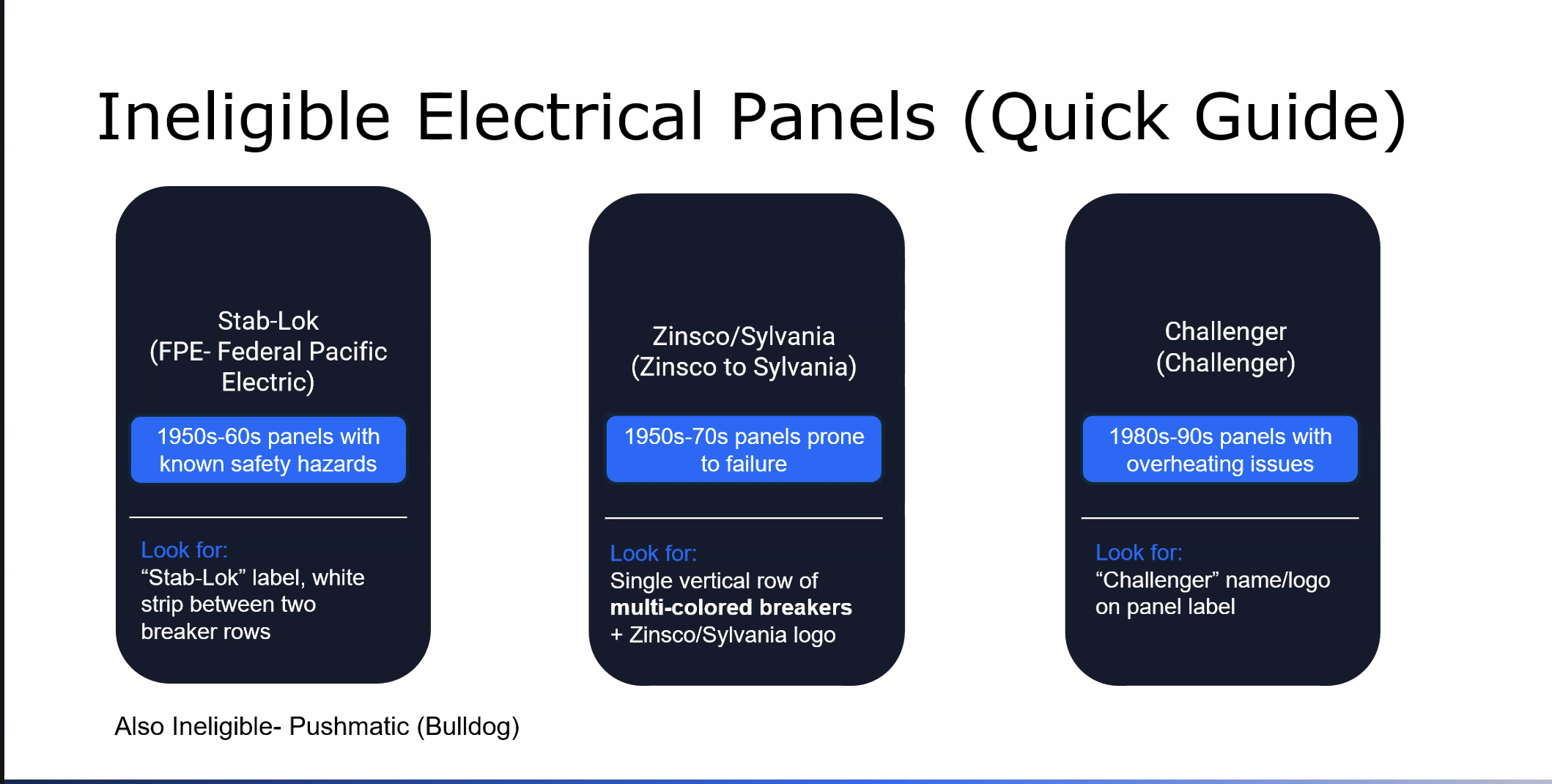
- Stab‑Lok / Federal Pacific Electric (FPE) – common in homes built in the 1950s–60s. Look for the “Stab‑Lok” label and a white strip between two rows of breakers.
- Zinsco / Sylvania – installed between the 1950s and 1970s, known for failure risks. Often feature a single vertical row of colorful breakers and the Zinsco or Sylvania logo.
- Challenger – frequently found in houses from the 1980s–90s. Check the panel label for the “Challenger” name or logo; these units have a documented history of overheating.
- Pushmatic (also known as Bulldog) – often rejected by insurance providers due to reliability concerns.
✅ Practical Steps to Take
- Document the panel. Take clear photos of the electrical panel and its label. This will be helpful if you need to consult an electrician or provide details to your insurer.
- Consult a licensed electrician. If you’re unsure about the model or notice any signs of wear, get a professional assessment.
- Consider an upgrade. Replacing an outdated panel not only helps avoid delays in getting insurance but also significantly reduces fire risk and improves overall electrical safety.
📌 Bottom Line
A quick inspection today can prevent major headaches tomorrow. If you’re buying, renting out, or renewing insurance on a property, make the electrical panel check a priority.