With the fall / winter season approaching, and mother’s nature crazy “mood swings”, it’s time to learn how to prepare and respond to flooding events.
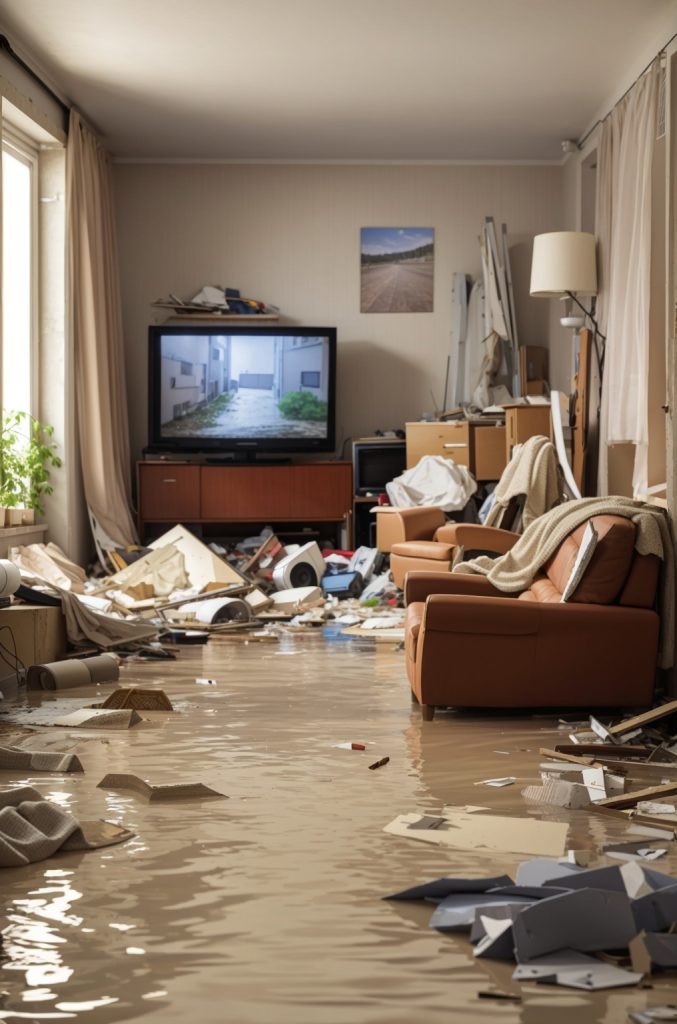
Prior to Flooding Event
- Ensure drains, gutters, and downspouts are not clogged and allow water to flow freely.
- Identify evacuation routes.
- Identify a safe place to go if you need to evacuate your home.
- Have an emergency supply kit ready to go.
- Ensure important documents are placed in a waterproof container.
- Move valuables to higher places in the home.
During a Flooding Event
- Turn Around, Don’t Drown!
- If evacuation orders have been issued, evacuate immediately. Use evacuation routes and comply with all road closures.
- If you are experiencing a medical emergency, dial 9-1-1.
- Avoid walking or driving through flood waters.
- Just 6 inches of moving water can knock you down, and 2 feet of water can sweep your vehicle away.
- If floodwaters rise around your car, but the water is not moving, abandon the car and move to higher ground.
- Listen to EAS, NOAA Weather Radio, or local alerting systems for current emergency information and instructions regarding flooding.

- Pay attention to authorities for information and instructions.
- Return home only when authorities say it is safe.
- Avoid driving except in emergencies.
- Wear heavy work gloves, protective clothing, and boots during clean up and use appropriate face coverings or masks if cleaning mold or other debris.
- Be aware of the risk of electrocution. Do not touch electrical equipment if it is wet or if you are standing in water. Turn off the electricity to prevent electric shock if it is safe to do so.
- Avoid wading in floodwater, which can be contaminated and contain dangerous debris. Underground or downed power lines can also electrically charge the water.
- Use a generator or other gasoline-powered machinery ONLY outdoors and away from windows.
Start the Claims Process
- Report your loss as soon as possible to your agent or insurance company.
- Have a policy Declaration page on hand (could be saved as a PDF on your phone)
- Prepare for Inspection (photograph and video the inside and outside of your property before you discard anything
- Provide the make, model, and serial number of large household appliances (washers, dryers, water heaters, TVs and computers)
- Collect a sample of building items (flooring, carpet, wallpaper, and drapes) to provide the adjuster
- The flood insurance adjuster sent by your insurer will never ask you for money, collect your deductible amount, or charge you a
fee for their service.